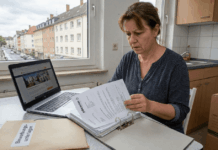

Searching for apartments as a Hartz 4 recipient in Germany can seem overwhelming. The rental market is competitive, and there’s often uncertainty about legal requirements, costs, and available support.
This article is designed for individuals on Arbeitslosengeld II—commonly known as Hartz 4—who need clear, actionable advice. By reading further, you’ll learn how to improve your chances of finding affordable housing and what steps to take next.
Understanding Hartz 4 and Housing Entitlements
Hartz 4 is a social security benefit in Germany, offering financial support for both basic living costs and accommodation. The Jobcenter usually covers “reasonable” rent and heating expenses. But what’s considered reasonable? That’s where things often get complicated.
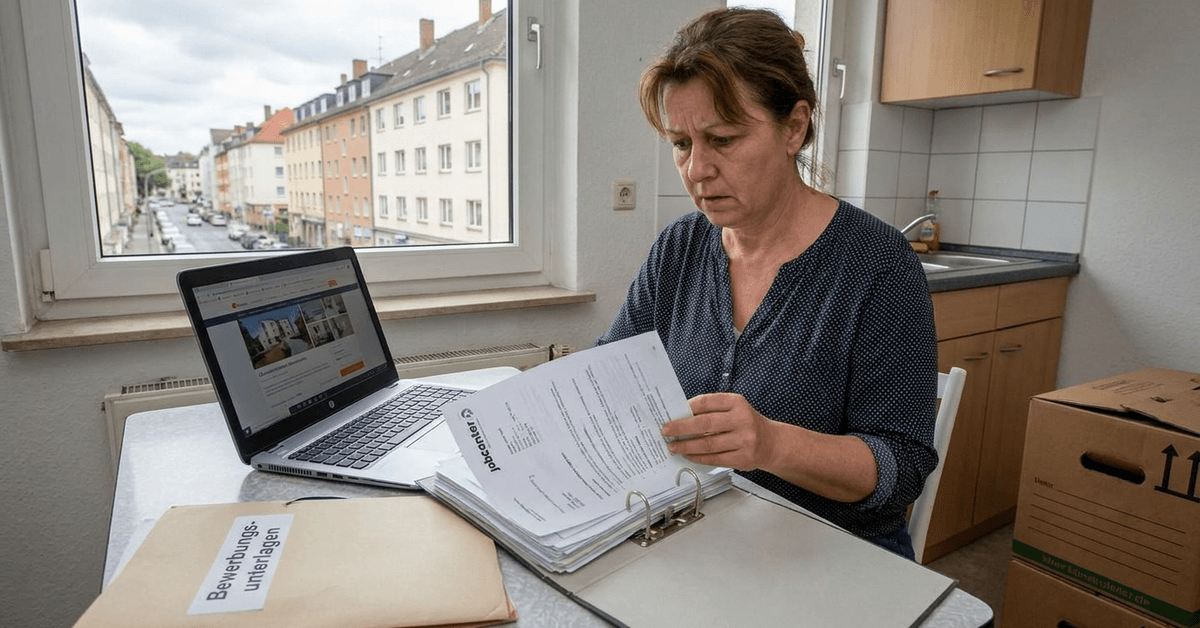
The definition of an appropriate rent largely depends on your city and family situation. Each municipality sets its own limits for maximum allowed rent—commonly called the “Angemessenheitsgrenze.”
Single adults and families will face different thresholds. If these limits are exceeded, the Jobcenter might only pay a partial amount or request that you downsize.
Key Challenges for Hartz 4 Recipients in the Housing Market
In many parts of Germany, affordable apartments are scarce. There’s growing demand, but not enough supply. This is especially pronounced in major cities—places like Berlin, Munich, or Hamburg.
Some property owners hesitate to rent to benefit recipients. It might feel unfair, yet it’s a reality for many. Requirements often include credit checks, proof of stable income, and references.
As a result, patience and persistence are necessary. Sometimes, it can feel disheartening. Still, by understanding the process and your rights, things do start to fall into place.
How to Find Apartments Suitable for Hartz 4 Recipients
Locating a suitable apartment means combining traditional search habits with a few targeted strategies. Focusing on specific rental portals and applying with the right documents can bring better results.
Main Online Platforms
The biggest portals, such as Immobilienscout24 and Immowelt, feature thousands of listings. Filtering for rent thresholds set by the Jobcenter narrows down the selection.
Also, pay attention to listings posted by municipal housing companies or social housing providers. Cities often allocate a portion of their apartments to people on benefits.
Local Newspapers and Noticeboards
Some landlords prefer offline channels—especially for smaller apartments. Checking the classified ads in regional newspapers and community boards sometimes reveals hidden gems not listed online.
Networking and Community Support
Friends, family, or even social workers can expand your search. Word-of-mouth recommendations are surprisingly helpful. Occasionally, a landlord trusts a familiar connection more than an anonymous applicant.
Documents and Requirements for the Rental Application
Almost all landlords expect a comprehensive application package. Preparing documents in advance makes the process smoother and shows your reliability. The main requirements often include:
- Proof of income : In this context, that’s your Jobcenter confirmation or “Leistungsbescheid.”
- Personal ID or passport
- Schufa credit report (if available)
- Confirmation from your previous landlord—sometimes required to prove you have no outstanding rent debts
- Optional: a short cover letter explaining your situation and reliability.
Jobcenters can help you compile needed documents. It’s often worth asking for a standard package if you’re searching actively.
Role of the Jobcenter: What Support Can You Expect?
Before signing a rental contract, it’s typically necessary to get written approval from the Jobcenter (“Zusicherung”). This official document confirms they’ll accept the apartment’s costs as reasonable according to local caps.
Papers confirming the “Angemessenheit” must be submitted alongside your rental application. Moving in without approval can risk partial payment of rent or even a refusal to pay deposit costs.
Most Jobcenters will pay for a reasonable security deposit directly to the landlord, either up front or as an interest-free loan.
What Counts as ‘Reasonable’ Rent?
The caps for affordable rent vary widely between regions. In Frankfurt, for instance, the upper limit for a single person differs considerably from, say, Dresden or rural Bavaria.
The “Angemessenheitsgrenze” usually covers rent (Kaltmiete) plus fixed extra costs (Nebenkosten). But it excludes electricity and some optional amenities. Staying within these limits ensures the Jobcenter will cover the full amount.
Common Obstacles and How to Overcome Them
Prejudice from Landlords
It’s not unusual to experience skepticism from private landlords. Sometimes, mentioning a reliable payment from the Jobcenter offers reassurance. Providing all documentation up front can dispel doubts.
Limited Availability
Be open to apartments slightly outside your first-choice neighborhood, or in suburbs. Widening your search area increases the number of realistic options.
Competition From Other Applicants
Respond quickly to new ads, and keep your documents ready. Sometimes, attending viewings early or calling directly can make your application stand out.
Social Housing Options for Hartz 4 Recipients
Social housing (Sozialwohnung) is a long-term solution for many on benefits. These apartments are subsidized by the government and reserved for people with lower incomes.
Applying for a “Wohnberechtigungsschein” (WBS) is required. This certificate, available through local housing authorities, proves you qualify for subsidized housing.
Social housing waitlists can be long, but once granted, the accommodation is generally secure and rent remains within affordable limits.
Legal Rights and Tenant Protections
German tenancy law strongly protects renters. Even as a Hartz 4 recipient, you’re entitled to all usual rights: protection against unjustified eviction and regulated rent increases.
Landlords cannot discriminate solely based on social benefits. If you believe you’ve been unfairly rejected, contacting tenant protection agencies (“Mieterverein”) for advice is a good idea.
Official resources like Bundesagentur für Arbeit can supply up-to-date legal information.
Tips for a Successful Apartment Search on Hartz 4
- Apply widely, both online and offline
- Keep an up-to-date portfolio of required documents
- Be transparent in your application to foster trust
- Consult your Jobcenter early for pre-approval
- Stay patient—a positive outcome may take several attempts
Conclusion: Empowering Your Housing Journey on Hartz 4
Navigating the apartment market as a Hartz 4 recipient in Germany will likely include both setbacks and breakthroughs. The rules are sometimes unclear, and availability might be sparse in popular cities. Staying informed, organized, and persistent remains critical.
It’s important to remember that fair housing is a right, not a privilege. The processes and paperwork can feel overwhelming, but many have succeeded before you. Seeking accurate information and official resources improves your path forward—and signals to landlords that you’re serious and prepared.
This guide aimed to provide actionable support for your search, so you feel better equipped as you approach your next rental opportunity. Whatever the outcome, treating each step as a learning process can reduce stress and improve your confidence along the way.